Flowerpots and Houseplant Flowers: A Versatile Graphic Design Asset
As a professional graphic designer with years of experience working on branding, packaging, and digital marketing visuals for small businesses and creative entrepreneurs, I often find myself sifting through design assets to see which ones can truly elevate a project. When I first encountered Flowerpots and Houseplant Flowers, the illustration immediately caught my eye. Its soft curves, organic shapes, and gentle color palette suggest a cozy, natural aesthetic that aligns well with lifestyle brands, wellness-focused products, and seasonal campaigns.
Aesthetic First Impressions and Visual Mood
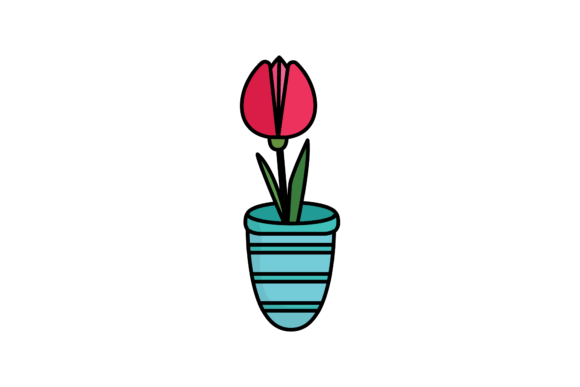
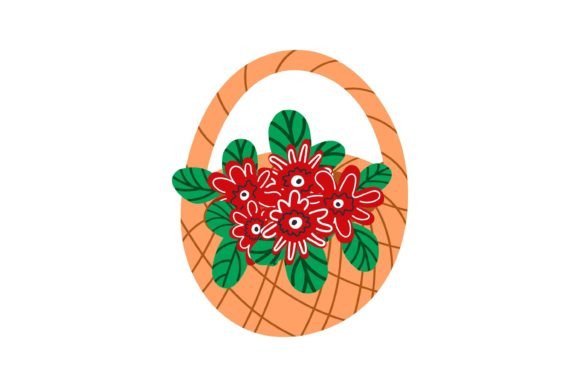
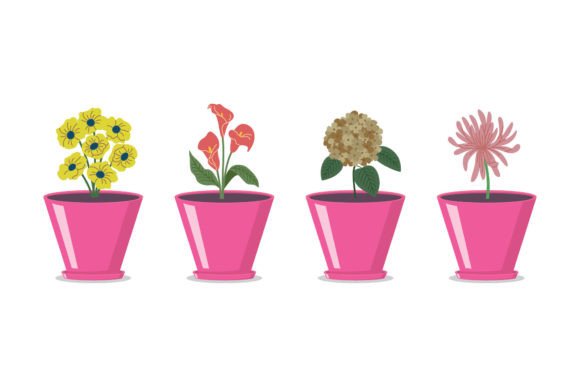
This design bundle feels like it was crafted in a sunlit studio filled with potted greenery and fresh blooms. The illustrations are hand-drawn but refined enough to feel polished and professional. Each element—whether it’s a simple flowerpot or a full bloom—carries a sense of charm and warmth, making it ideal for projects that aim to evoke a homegrown or botanical vibe. It's not overly intricate, yet it has enough detail to be engaging without overwhelming the viewer.
The style is clearly rooted in modern botanical illustration, blending traditional hand-drawn elements with digital precision. This balance makes it versatile for both print and digital use. Whether you're designing a product label for an herbal tea line or creating social media content for a plant-based skincare brand, these graphics can add a layer of visual interest and thematic cohesion.
Real-World Applications and Project Fit
Let me walk through how Flowerpots and Houseplant Flowers might perform across different types of client work:
- Brand Identity: These illustrations could serve as supporting elements in a brand identity system, especially for eco-friendly or artisanal brands. They can be subtly integrated into logos, stationery, or website headers to reinforce the brand’s connection to nature.
- Product Labels and Packaging: The design works beautifully as background textures or decorative accents on product labels. It brings a handmade feel to otherwise flat layouts and adds a touch of sophistication to eco-conscious packaging.
- Social Media Graphics: For Instagram posts or Pinterest pins focused on home décor, gardening, or interior design, this asset fits perfectly. It enhances the emotional appeal and helps create a cohesive feed that resonates with audiences who love all things botanical.
- Printable Wall Art: With its high canvas size (1920px X 1280px), this illustration is great for large-scale prints. It can easily be adapted into printable designs for Etsy shops or print-on-demand platforms, where customers appreciate visually rich and thematic artwork.
- Canva Templates and Cricut Projects: The clean vector format ensures scalability, making it suitable for use in Canva templates or Cricut crafts. You can confidently use it in sticker design, greeting cards, or even fabric patterns without worrying about pixelation or distortion.
- Editorial and Web Design: In editorial spreads or blog visuals, the floral motifs can help break up dense text and guide the reader’s eye through the layout. On websites, they can be used in hero sections or sidebar banners to create a welcoming atmosphere.
Strengths in Creative Use
One of the biggest strengths of Flowerpots and Houseplant Flowers is its adaptability. The five included digital files allow for multiple variations and placements within a single project. For example, when working on a campaign for a new line of indoor plants, I could use one file as a hero graphic on a landing page and another as a subtle border on product tags.
The asset also performs well in themed collections. If you're curating a set of springtime design materials for a boutique store or a seasonal email newsletter, these illustrations can unify the collection under a consistent visual theme. Their soft colors and flowing lines contribute to a calm, inviting mood that encourages engagement and trust.
For digital sellers or those in the creative marketplace, this bundle offers immediate value. As a commercial design asset, it supports a range of applications from SVG designs for embroidery to PNG designs for transparent backgrounds in web graphics. The inclusion of AI and EPS formats means you can easily edit paths, recolor elements, or integrate them into larger compositions using Adobe Illustrator or similar tools.
Design Considerations and Limitations
While Flowerpots and Houseplant Flowers is undeniably charming, there are some scenarios where it may not be the best fit. Here are a few considerations based on real-world usage:
- Small Sizes: At smaller dimensions, the fine details in the illustration may become less clear. Always preview at actual size before applying it to buttons, icons, or micro-layouts.
- Crowded Layouts: If your design already has a lot going on, adding this asset might push the layout over the edge. Use it sparingly in such cases, perhaps as a decorative corner accent rather than a central feature.
- Low-Contrast Backgrounds: Because the illustration uses muted tones, it may lose visibility if placed against similarly low-contrast surfaces. Test it on both light and dark backgrounds to ensure legibility and impact.
- Minimalist Branding: Clients who prefer ultra-clean, minimal aesthetics might find this design too ornate. It's best suited for brands with a more expressive or lifestyle-driven visual language.
- Professional Corporate Materials: While it's a great fit for lifestyle and artisanal brands, it doesn't quite match the tone of formal corporate reports or business presentations. Reserve it for more personal or creative-facing projects.
Readability and Hierarchy in Practice
When integrating any design asset into a project, readability and visual hierarchy are key concerns. In this case, Flowerpots and Houseplant Flowers should be treated as a secondary visual component rather than a primary headline element. Placing it behind text or using it as a background texture allows it to enhance the design without interfering with the message.
I recommend pairing it with a mix of font styles to test compatibility. A sans serif font will provide a modern contrast, while a script font can complement the organic feel of the illustrations. Handwritten fonts might clash slightly due to their informal nature, so use them with caution. Display fonts can stand out well if the illustration is used as a subtle overlay or border.
Its emotional appeal is strong, particularly for audiences drawn to wellness, sustainability, and home décor. That said, always consider the target demographic. Younger audiences might find it quaint, while others could interpret it as outdated if not styled correctly. It's a delicate balance between charm and contemporary relevance.
Technical Checks Before Commercial Use
Before recommending Flowerpots and Houseplant Flowers for a client project, here are the practical checks I always run:
- Test in Black and White: The colors are lovely, but does the design still hold its shape and form in grayscale? This is essential for printed materials like brochures or merchandise that might be viewed in monochrome settings.
- Check Contrast on Light and Dark Backgrounds: How does the illustration perform when overlaid on white versus black? High contrast is crucial for visibility and accessibility.
- Preview at Small and Large Sizes: Ensure the asset looks sharp whether scaled down to a logo badge or blown up for a poster. Vector formats make this easier, but raster versions need careful evaluation.
- Place on Real Mockups: Try it on mockups of t-shirts, mugs, tote bags, or posters to see how it translates into physical products. This helps gauge its effectiveness beyond the screen.
- Test Print Quality: Especially important for print-on-demand sellers or local event posters. Does it maintain clarity and vibrancy when printed?
- Review File Formats: The AI and EPS files are a solid choice for designers who need editable layers. However, if you’re using Canva or other drag-and-drop tools, the PNG or SVG options will likely be more convenient.
- Confirm Commercial Licensing: Make sure the license allows for commercial use. This is vital for any branding or marketing materials intended for public distribution or resale.
Why This Design Bundle Stands Out
What sets Flowerpots and Houseplant Flowers apart from generic clipart or stock images is its unique character and thoughtful composition. It doesn’t just fill space—it tells a story. This is what clients want: a design that feels intentional and meaningful. It adds a level of personality that mass-produced assets often lack.
For small business branding, especially in niches like handmade goods, plant care products, or wellness services, this illustration can be a game-changer. It helps establish a warm, approachable brand identity that stands out in a crowded market. And because it comes in multiple file formats, it’s easy to incorporate into both digital and physical outputs, from sublimation designs to packaging details.
Final Thoughts for Designers and Digital Sellers
In summary, Flowerpots and Houseplant Flowers is a well-crafted graphic design asset that can bring life to a wide variety of creative projects. It’s not a one-size-fits-all solution, but for the right client and context, it can significantly improve the visual mood and overall polish of a design. Just remember to use it thoughtfully, considering contrast, scale, and the needs of the audience.
If you're working on a handmade business rebrand, an Etsy product launch, or a spring campaign for a wellness brand, this illustration pack is definitely worth exploring. It’s a valuable addition to your design toolkit—especially if you’re looking to infuse your work with a touch of botanical elegance and warmth.