Flowers Card Simple Creative: A Versatile Graphic Design Asset for Branding
As a seasoned brand designer and content marketer, I often find myself on the lookout for design assets that can elevate visual storytelling without complicating the message. Recently, I came across Flowers Card Simple Creative, an illustration-based graphic asset that caught my attention with its balance of simplicity and charm. This design offers a fresh approach to floral elements in branding, making it a strong contender for use in various marketing and creative projects.
A Warm Welcome for Visual Storytelling
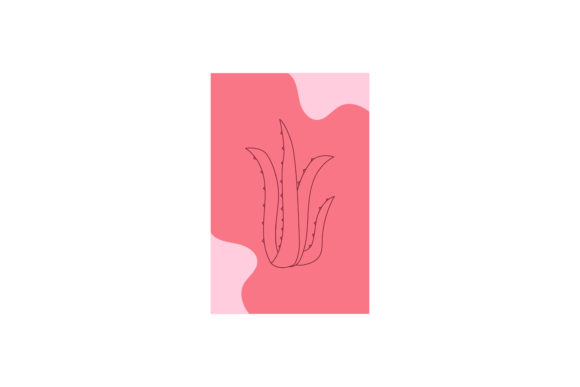
The first thing that struck me about Flowers Card Simple Creative was its mood — soft, inviting, and subtly elegant. The stylized flower motifs are rendered in a clean, modern line art style that feels both contemporary and timeless. It’s not overdone, which makes it adaptable across multiple platforms and industries. Whether you're designing for a lifestyle blog, a seasonal product launch, or editorial content, this asset brings a sense of warmth and approachability.
For brands aiming to communicate a natural, artisanal, or handcrafted feel, this design is a perfect match. It doesn’t scream "premium," but it does suggest quality through its refined simplicity. This emotional tone could be especially appealing for small businesses in wellness, fashion, or homeware niches where aesthetic harmony plays a big role in audience perception.
Real-World Marketing Applications
In a recent project, we were helping a boutique skincare brand refresh their social media visuals for a summer promotion. We needed something that felt organic yet professional, and Flowers Card Simple Creative fit the bill perfectly. Here's how it performed across different touchpoints:
- Brand Identity: Used as a subtle background element in packaging labels and website headers, the floral design added a layer of personality without overwhelming the brand’s minimal logo.
- Editorial Design: Incorporated into blog banners and newsletter templates, it helped create a cohesive look that aligned with the brand’s eco-conscious messaging.
- Digital Ads: Paired with bold typography and short copy, the illustration provided enough visual interest to stop scrollers while maintaining clarity.
- Printable Promotions: When used in printables such as free guide covers and event flyers, the SVG format ensured crisp edges and scalability, which is essential for high-quality printing.
- Merchandise Design: On tote bags and posters, the floral motif added a decorative yet functional touch, reinforcing the brand’s identity in a memorable way.
Supporting Stronger Campaign Goals
One of the biggest challenges in content marketing is making your visuals stand out without appearing cluttered. Flowers Card Simple Creative helps achieve just that. Its balanced composition supports a clearer visual hierarchy, guiding the viewer’s eye toward key messages or calls to action. This is particularly useful in digital ads and email banners where space is limited but impact is crucial.
By integrating this design into a consistent set of visuals, brands can strengthen their recognition. For instance, using the same floral pattern across Instagram posts, Pinterest pins, and Canva templates allows customers to associate the imagery with the brand quickly. The result? Improved engagement and stronger audience trust, especially when paired with thoughtful content strategy.
What I also appreciated was how well it worked with different font styles. The design complements both serif and sans-serif fonts, adding a touch of creativity without overshadowing readability. When tested against script and display fonts, it still held up, though more so in editorial layouts than in text-heavy advertisements.
Where It Shines and Where to Proceed with Caution
This graphic design asset excels in hero graphics and campaign headers where it can act as a gentle accent rather than a focal point. It works beautifully in branded templates for social media covers, product launch visuals, and promotional banners. In these contexts, the floral design enhances the overall aesthetic without detracting from the core message.
However, there are scenarios where it should be used carefully. In formal corporate branding, the asset may come off as too casual. Similarly, if placed in dense information layouts like infographics or whitepapers, it could distract from the data being presented. Mobile screens also require caution — while the SVG format scales well, the detail level might need simplification for smaller formats to maintain clarity.
Another limitation to consider is the contrast. The design features light tones and delicate lines, which means it may struggle to stand out on low-contrast backgrounds. If your brand leans heavily on monochrome or minimalist aesthetics, you’ll want to test how the flowers interact with your color palette before committing to full integration.
Practical Brand Designer Notes
Here are some quick tips for getting the most out of Flowers Card Simple Creative:
- Test With Your Brand Colors: Try overlaying the design onto your existing color schemes to see if it harmonizes or clashes. Adjust opacity or add subtle gradients for better cohesion.
- Check Black-and-White Usage: While the colors are lovely, ensure the design remains legible and impactful in grayscale for print materials or black-and-white campaigns.
- Use in Real Campaign Mockups: Before finalizing any design work, place the asset within actual mockups (e.g., Instagram stories, web headers) to evaluate how it functions in context.
- Preview on Mobile Screens: Resize the design to see how it holds up on mobile devices. Sometimes, less is more when it comes to digital screen real estate.
- Confirm Commercial Licensing: Always check licensing details before using the asset in paid campaigns, client deliverables, or business branding. This ensures legal compliance and avoids future issues.
Beyond the Basics: Integrating Into a Content Kit
For content creators and marketers building a comprehensive content kit, Flowers Card Simple Creative serves as a valuable addition. Its adaptability makes it ideal for creating matching sets of illustrations that can be reused across multiple channels. Think of it as part of a larger design bundle that includes complementary elements for headers, borders, and accents.
I recommend pairing it with other modern design elements for a unified look. For example, combining it with flat icons or geometric shapes can help build a unique visual language for your brand. The AI and SVG file formats allow for easy customization, making it possible to tweak the design to suit specific needs — whether you’re adjusting stroke weights for a card layout or resizing for a sticker design.
Connecting With the Right Audience
From a marketing standpoint, the floral theme naturally attracts audiences interested in lifestyle, beauty, and wellness content. It aligns well with feminine aesthetics and nature-inspired branding, making it a great fit for small businesses targeting millennials and Gen Z consumers who value authenticity and personalization.
That said, the design isn’t one-size-fits-all. If your target demographic skews more traditional or masculine, you may need to pair it with bolder typography or use it sparingly. The key is to ensure that the asset supports your brand voice rather than competing with it.
Final Thoughts for Content Creators and Marketers
In today’s crowded creative marketplace, having access to high-quality, versatile design assets like Flowers Card Simple Creative is a game-changer. It allows marketers to craft visually engaging content without sacrificing professionalism. As someone who frequently works with small businesses and online coaches, I appreciate how it bridges the gap between creative design and commercial application.
Whether you’re designing for printables, social media graphics, or packaging inserts, this illustration can serve as a foundational element in your visual toolkit. Just remember to tailor its use to your specific brand needs and audience expectations. With the right approach, it can become a signature component of your marketing visuals — helping you create content that’s both attractive and effective.