Charming Flowers: A Versatile Graphic Design Asset for Creative Projects
As a seasoned graphic designer with experience in branding, packaging, and digital marketing, I’m always on the lookout for high-quality design assets that can elevate a project’s visual appeal. Recently, I had the opportunity to review Charming Flowers, a set of digital illustrations designed for real-world client applications. This asset isn’t just another decorative element—it brings a specific mood, style, and functionality that makes it a compelling choice for various creative endeavors.
First Impressions and Visual Mood
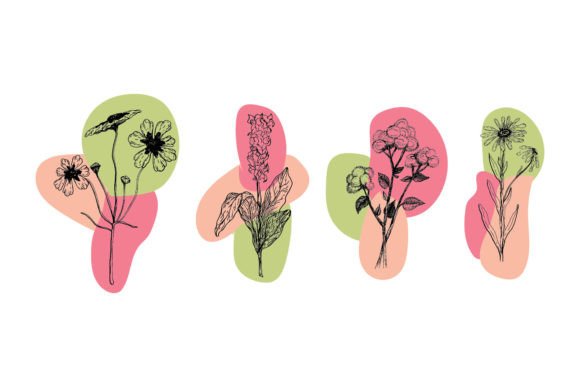
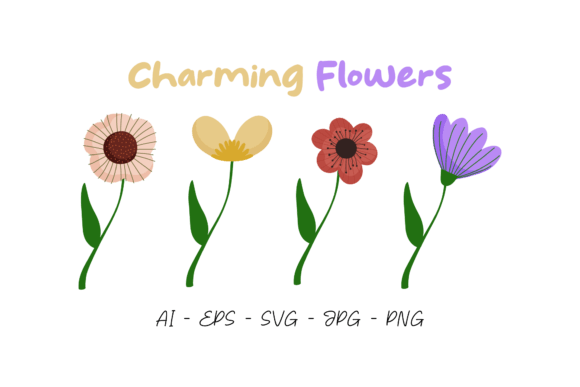
Opening the Charming Flowers design bundle immediately gives off a warm, organic vibe. The illustrations are soft yet detailed, featuring hand-drawn blooms in pastel tones that suggest a blend of vintage charm and modern simplicity. It’s the kind of design that feels like it was created by someone who understands the emotional weight of botanical art in branding and editorial contexts.
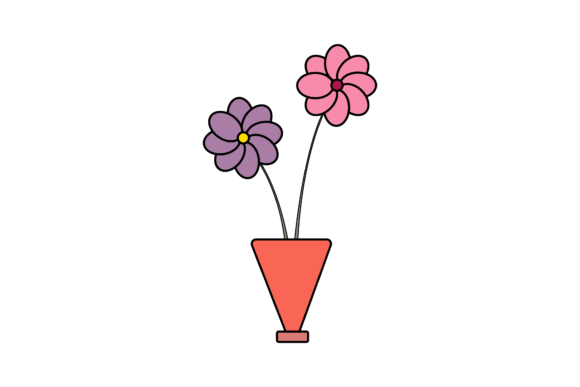
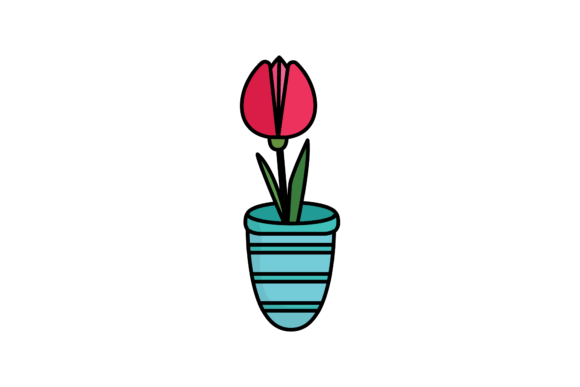
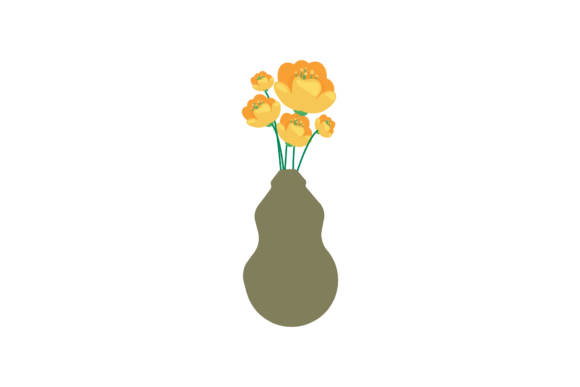
The color palette is gentle—think muted pinks, lavender, mint greens, and buttery yellows—which creates a soothing atmosphere. These hues work especially well for handmade businesses, wellness brands, or any project aiming to convey serenity, elegance, or a touch of whimsy. The canvas size of 1920px X 1280px provides ample space for layering and customization, making it ideal for larger layout areas where subtle textures and natural flow matter.
Style and Application Fit
Charming Flowers sits comfortably within the realm of illustrations and graphics, but its style leans more toward the illustrative side. It doesn’t have the stark precision of modern geometric designs; instead, it offers a curated, almost artisanal feel. That said, it still maintains enough clarity to be effective across multiple platforms—from print-on-demand products to digital campaigns.
I found myself imagining how this could support a brand identity for a new line of eco-friendly candles or as part of a seasonal campaign for a boutique flower shop. Its presence adds warmth and personality without overwhelming the message, which is crucial when designing for small business branding or niche markets.
Performance in Real Design Situations
One of the first things I tested was using Charming Flowers in a product label design. The delicate lines and soft gradients helped create a premium look, perfect for a handmade skincare product line. However, I noticed that in smaller sizes, some details became less defined. This is something to keep in mind if you're planning to use the illustration in tiny spots like icons or micro-branding elements.
- Logo Design: While not a logo itself, it works beautifully as a supporting visual element in logo mockups, especially for lifestyle or craft-based brands.
- Brand Identity: Adds a consistent visual language to websites, social media templates, and even email headers.
- Packaging Design: Particularly useful for wrapping paper, gift tags, or floral accents on product boxes.
- Posters & Flyers: The large canvas allows for dramatic placement as a hero graphic or background texture.
- Invitations & Stickers: The SVG format makes it easy to scale and adapt for die-cut stickers or elegant event invites.
- Mug and T-Shirt Designs: Performs well as a central image or repeating pattern when used in Cricut projects or sublimation printing.
- Website Graphics: Great for landing pages or blog headers, especially when paired with clean typography and minimal text.
- Social Media Posts: Works exceptionally in Pinterest pins and Instagram stories, where visual appeal drives engagement.
Where Charming Flowers Shines
This design asset truly comes into its own in large layout areas such as hero banners, posters, and product mockups. Its intricate yet harmonious composition allows it to serve as both a focal point and a background element. In one test case, I layered it behind a product shot for an Etsy store selling pressed flower jewelry, and it instantly added a dreamy, romantic aesthetic that resonated with the target audience.
It also fits naturally into themed collections. For instance, a springtime campaign for a local flower delivery service could leverage these flowers across packaging, website headers, and social ads. The visual continuity helps build brand recognition and reinforces the theme with every touchpoint.
Where Caution Is Advised
While Charming Flowers is visually appealing, it's not a one-size-fits-all solution. I would advise using it carefully in crowded layouts or with complex backgrounds, as its softness can get lost. Similarly, in corporate materials or minimalist branding, the ornate nature of the design might clash with the desired tone.
Also, when working with visual hierarchy, ensure the flowers don’t overpower key messages. They’re best used as accent pieces or in environments where they can complement rather than compete with other design elements.
Readability and Brand Consistency
When integrating Charming Flowers into a design, it’s important to consider how it interacts with text. Because of its soft edges and pastel tones, pairing it with bold, modern fonts (like a sans serif or display typeface) can help maintain readability. Conversely, using it with a script or handwritten font enhances the overall charm and cohesion of the piece.
In terms of brand consistency, I recommend locking in the color variations early on. If your brand uses a specific set of colors, you may need to adjust the flowers accordingly. The vector formats (AI, EPS, SVG) make this task straightforward, allowing for precise editing without quality loss.
Emotional Appeal and Audience Engagement
Flowers inherently evoke emotion—beauty, growth, love, and renewal. Charming Flowers taps into this effectively, offering a visual anchor that can connect with audiences on a personal level. Whether you're crafting a Canva template for a blogger or designing printable wall art for a home décor shop, this asset can help foster an emotional response that drives engagement and trust.
For digital sellers and print-on-demand entrepreneurs, the emotional resonance of this design can significantly influence buyer behavior. People tend to gravitate toward visuals that feel authentic and handcrafted, which is exactly what Charming Flowers delivers.
Design Notes and Best Practices
Before finalizing the use of Charming Flowers in a client project, here are some practical steps I recommend:
- Test in Black and White: Assess whether the design retains its character when desaturated. In this case, it does, thanks to tonal contrast and linework.
- Check Contrast: Place the illustration over both light and dark backgrounds to ensure visibility and balance.
- Preview at Different Sizes: Confirm legibility and detail retention at small and large scales. Use it as a full-page background only if the context supports it.
- Place on Real Mockups: Try it on t-shirts, mugs, or packaging mockups to see how it translates into physical products.
- Test Print Quality: Especially important for printable designs or merchandise. The PNG files included should hold up well, though the vector formats are preferable for scalable output.
- Review File Formats: The bundle includes AI, EPS, and SVG files—ideal for professional editing and commercial use. If PNGs are needed, ensure transparency is handled properly for overlays and web use.
- Confirm Commercial Licensing: Always verify the licensing terms before applying the asset to branded materials or selling it as part of a product. This is non-negotiable for legal compliance in commercial design.
Comparisons with Other Font Styles
I experimented with several font pairings while using Charming Flowers. When combined with a serif font, the result felt classic and refined, suitable for luxury branding or editorial content. With a sans serif, the design retained a clean, contemporary edge. Using a script or handwritten font brought out the hand-crafted essence of the illustrations, enhancing their charm and authenticity.
Why Choose Charming Flowers?
Charming Flowers stands out because it bridges the gap between artistic flair and functional design. As a graphic design asset, it’s not just about looking pretty—it’s about adding value. Whether you're building a cohesive brand identity, creating marketing visuals, or designing a collection of merchandise, this illustration has the potential to bring a unique and memorable touch to your work.
Its versatility means it can be adapted for different purposes, from subtle decorative accents to bold campaign visuals. And for those running Cricut projects or creating Etsy products, the vector formats offer the flexibility needed to produce high-quality cuts and prints.
Ultimately, Charming Flowers serves as a reliable addition to your design assets library. It’s not just a clipart-style filler—it’s a thoughtfully crafted illustration that can contribute to a polished, professional finish in the right context.
A Designer’s Perspective
From my experience, the success of a design asset often depends on how well it integrates into existing systems. Charming Flowers passes this test with flying colors. It doesn’t demand attention; instead, it invites it. It adds depth and nuance to a design without complicating the message. And in today’s crowded creative marketplace, that’s a rare and valuable trait.
If you're working on a project that needs a gentle, inviting visual presence, I’d say give Charming Flowers a try. Just remember to evaluate it in the context of your specific design goals and technical requirements. When used wisely, it can become a cornerstone of your creative design toolkit, helping you deliver professional results with a touch of heart.