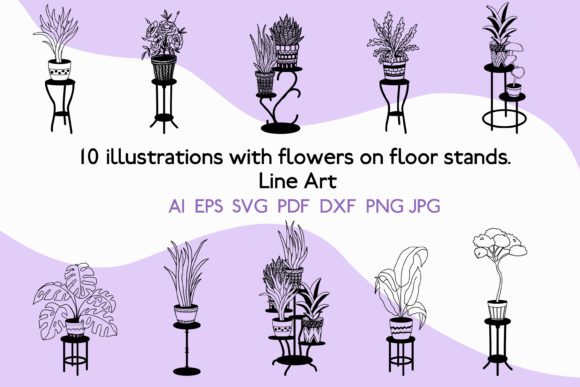
Potted Flowers on a Stand. Line Art
As a designer who spends half my day staring at stitch maps and the other half worrying about thread tension, I approach every new asset with a healthy dose of skepticism. The market is flooded with clip art that looks beautiful in a digital mockup but turns into a muddy, tangled mess once it hits the hoop. That is why I take the time to evaluate Potted Flowers on a Stand. Line Art not just as a pretty picture, but as a viable component for real-world embroidery projects.
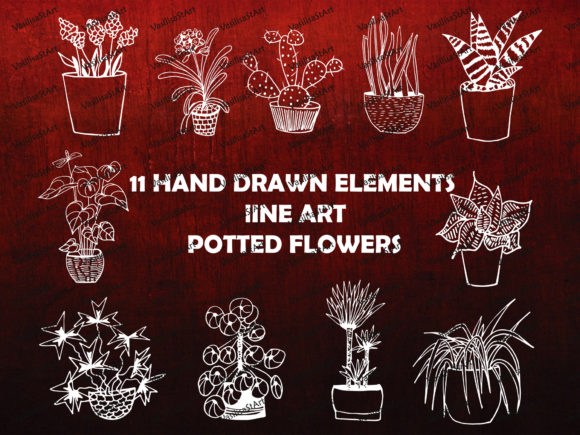
This collection isn't just a single image; it is a curated set of ten hand-painted botanicals, including palm trees, succulents, cacti, and roses. For the Etsy seller or small business owner, this variety is immediately valuable. It suggests versatility. But does it translate well to fabric? Let’s break down how these designs perform when we move them from screen to needle.
The First Impression: Mood and Layout
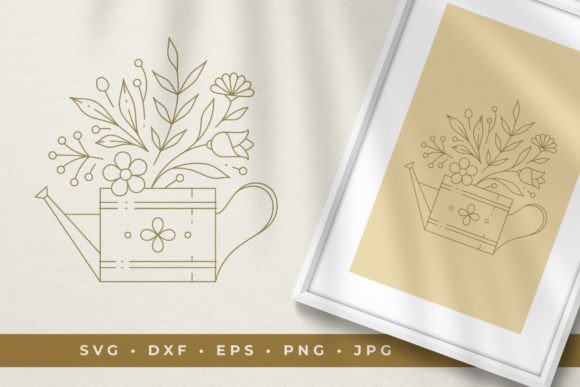
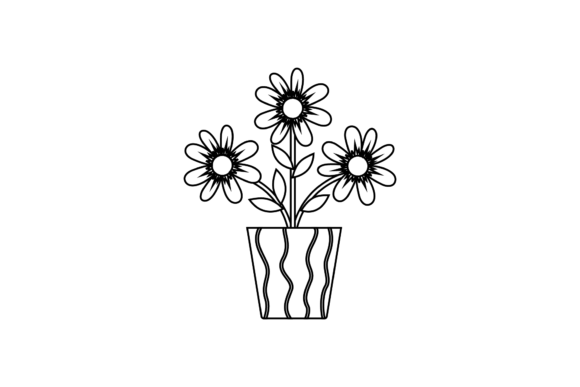
When you first open the file, what strikes you is the clean, linear quality of the artwork. In the world of machine embroidery, line art can be a double-edged sword. If the lines are too thin or the spacing too tight, the machine will struggle to maintain clarity, resulting in a design that looks like a smudge rather than a drawing. However, Potted Flowers on a Stand. Line Art seems to strike a balance. The strokes appear deliberate and confident, which usually translates to excellent stitch definition.
The mood is undeniably fresh and organic. Unlike rigid geometric patterns or overly complex floral bouquets, these potted plants bring a sense of calm and modern minimalism to a project. This aesthetic is currently dominating interior decor and lifestyle branding. For a craft business looking to tap into current trends, this style fits perfectly with boho-chic, minimalist nursery themes, or modern farmhouse aesthetics. The visual personality is approachable and friendly, making it an ideal choice for personalized gifts where the recipient needs to feel a personal connection to the item.
Real-World Application: From Tote Bags to Nursery Decor
Let’s imagine a specific scenario. You are preparing a batch of custom embroidered tote bags for a local artisan market. You want something that appeals to a wide audience—something that says "I love plants" without being too literal or cheesy. You decide to use one of the palm tree or succulent designs from this set.
Because the design relies on clean lines, it works exceptionally well on canvas or cotton blends. The stitch density appears manageable, meaning you won’t need excessive backing stabilizer that might make the bag stiff. When stitched, the outline of the pot and the leaves will pop against the fabric texture. For a custom apparel decorator, this same design could be scaled down and placed on the chest area of a sweatshirt or tucked neatly onto the pocket of a denim jacket. The simplicity ensures it doesn’t overwhelm the garment.
Beyond accessories, this graphic has strong potential for home goods. A pillow cover featuring a cluster of the smaller potted flowers creates a cohesive, gallery-wall effect on your sofa. Similarly, for kitchen towel embroidery, a small cactus or rose design adds a touch of whimsy to daily chores. The key here is recognition; customers scrolling through online listings respond positively to designs that look professional and intentional. Potted Flowers on a Stand. Line Art delivers that polished look, elevating the perceived value of the handmade product.
Technical Considerations and Fabric Choices
While the artistic merit is high, any experienced embroiderer knows that execution is everything. There are specific situations where this design requires careful handling. Because the artwork is primarily line-based, it relies heavily on contrast. If you attempt to stitch this on dark fabric using a similar dark thread, the design will disappear. You must ensure there is sufficient contrast between your thread colors and the fabric background.
Furthermore, consider the stability of the base material. This design should be used carefully on highly textured fabrics, such as heavy tweed or loose-weave linen, where the needle might skip stitches or pull the fabric out of alignment. Thin or stretchy fabrics also pose a risk; without proper support, the tension of the threads could cause the potted plant to pucker or distort. Always use a reliable stabilizer appropriate for the weight of your fabric. For knit fabrics like t-shirts or sweatshirts, a cut-away stabilizer is often necessary to maintain the integrity of the lines over time.
Another critical factor is the hoop size. While the individual files likely vary in dimensions, you must verify that the chosen design fits comfortably within your machine’s hooping area while leaving enough margin for the hoop clamp to grip the fabric securely. Attempting to embroider a design that is too large for your hoop can lead to misalignment and wasted materials.
Details That Matter: Stitch Types and Clarity
In reviewing the structure of Potted Flowers on a Stand. Line Art, we look for how different stitch types interact. The outer boundaries of the pots and leaves will likely utilize a satin stitch for a clean, defined edge. Inside, if there are filled areas, a fill stitch or running stitch might be used to add texture. The success of the final piece depends on the density of these stitches. If the fill is too dense, the fabric may become rigid and uncomfortable, especially on wearable items like caps or baby clothes. Conversely, if it is too sparse, the fabric color may show through, breaking the illusion of the line art.
For embroidered patches, this design is particularly effective. The distinct outlines allow for easy application via iron-on or sew-on methods, creating a professional badge that looks good on backpacks, denim vests, or hats. The versatility of having ten different artboards means you can mix and match elements to create unique compositions, offering more value to your customers than a single static image.
Practical Advice for Designers and Sellers
If you are planning to incorporate this design into your workflow, here are some essential steps to ensure a successful outcome:
- Test on Scrap Fabric: Never commit to a final product without running a test stitch-out. This allows you to check for tension issues, thread breaks, or alignment problems before you waste expensive materials.
- Review Stitch Density: Check the file properties to ensure the stitch count is reasonable. Extremely high stitch counts increase production time and cost, which can eat into your profit margins for commercial embroidery projects.
- Inspect Small Details: Zoom in on the finest lines. Are they too close together? Will they merge during stitching? If so, you may need to adjust the scale or simplify the design digitally before importing it into your embroidery software.
- Mockup in Black and White: View the design in grayscale to assess contrast and balance. This helps identify areas that might get lost in the final stitch-out.
- Confirm Licensing: Before selling finished items or distributing digital files, review the license agreement. Ensure you have the right to use the design for commercial purposes, especially if you are an Etsy seller or run a craft business.
Final Verdict
Potted Flowers on a Stand. Line Art is a thoughtful, versatile addition to any designer’s library. It avoids the cluttered complexity that plagues many botanical designs, opting instead for a clean, modern aesthetic that resonates with contemporary tastes. Whether you are creating personalized gifts, expanding your small shop product line, or adding unique details to apparel decorating services, this set offers practical value.
By paying attention to fabric choice, stabilizer usage, and stitch density, you can transform these simple line drawings into stunning, high-quality embroidered pieces. For the creative entrepreneur looking to add a touch of nature-inspired elegance to their offerings, this design is a reliable and stylish choice.