Hand Drawing of Leaves and Flowers Review
As a designer who spends half her life staring at stitch density charts and the other half worrying about whether a customer’s dog will chew through their new embroidered apron, I approach every new embroidery file with a healthy dose of skepticism. The market is flooded with generic clip art disguised as machine embroidery designs. But occasionally, something comes along that actually feels like it was made by a human hand, for human hands to use.
This week, I pulled the Hand Drawing of Leaves and Flowers set from my queue. It’s categorized under Illustrations and Graphics, but in our world, those labels just mean "potential finished product." What matters is how it stitches, how it holds up on fabric, and whether it adds enough value to justify the time it takes to hoop, thread, and trim. After running some tests and visualizing this across various custom apparel and gift items, here is my honest breakdown of whether this design asset deserves a spot in your digital library.
The First Impression: Mood and Visual Personality
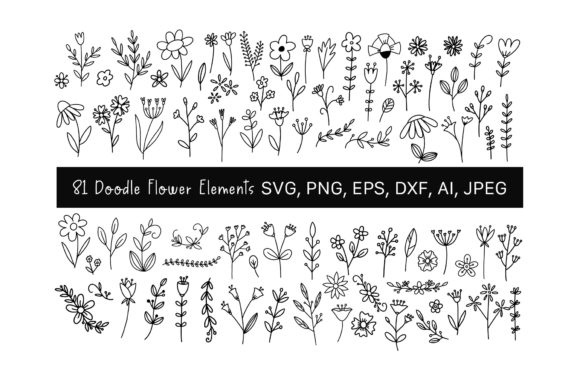
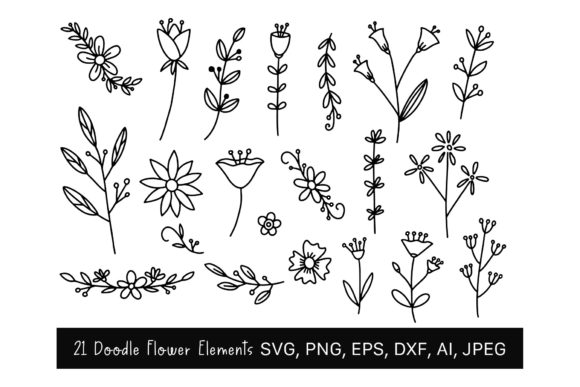
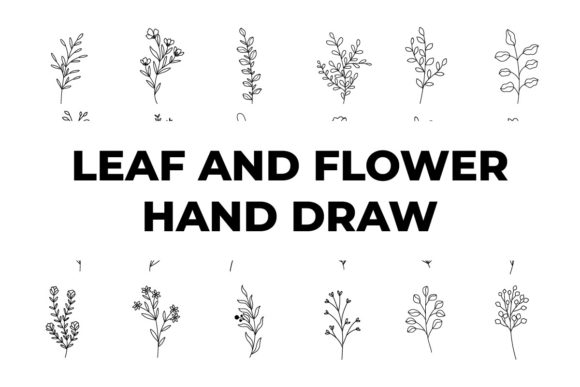
The title says it all: "hand drawn outline." In the world of machine embroidery, outlines are tricky. Too thin, and they disappear into the weave of the fabric. Too thick, and they look blocky and artificial. This set strikes a balance that many designers miss. The aesthetic is organic, slightly whimsical, and undeniably soft. It doesn’t scream for attention; it whispers.
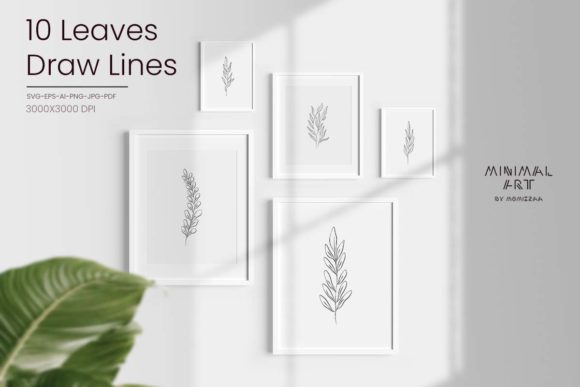
When you look at the 24 pieces included in the zip file, you aren’t looking at rigid, geometric perfection. You are looking at movement. The leaves curl, the flowers open, and the negative space does the heavy lifting. For a crafter or an Etsy seller, this mood is gold. It fits perfectly into the current trend toward cottagecore, botanical nursery decor, and rustic home goods. It feels personal. When a buyer sees this on a tote bag or a baby blanket, they don’t see a mass-produced stamp; they see artistry. That perception directly impacts the perceived value of your handmade product.
Real-World Application: Where This Design Shines
I don’t believe in one-size-fits-all reviews. A design that works on denim might fail miserably on silk. So, let’s talk about where Hand Drawing of Leaves and Flowers actually earns its keep in a real business or hobby workflow.
Personalized Gifts and Nursery Items
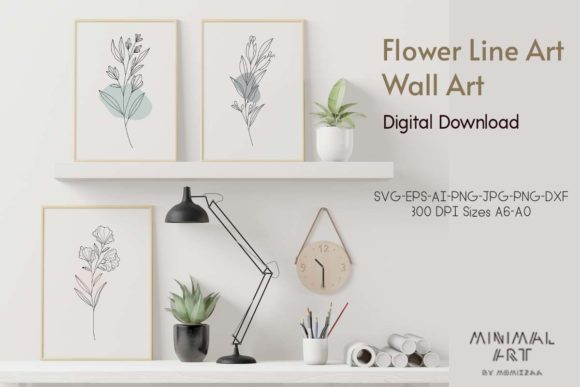
This is the sweet spot. I visualized this design stitched onto a muslin burp cloth or a small hooded towel for a baby shower. Because the lines are clean outlines rather than dense fills, it remains gentle and safe-looking. It pairs beautifully with soft pastel thread colors. If you are creating baby embroidery sets, this provides that delicate, heirloom quality that parents love to photograph and share. It also translates well to wooden plaques or framed wall art if you are expanding into non-textile gifts.
Everyday Carry and Home Textiles
I also tested the mental image of this on a canvas tote bag design. Outlines tend to hold up better on textured fabrics than intricate fill stitches because there is less tension pulling on the fabric grain. On a natural linen tea towel or a cotton kitchen apron, these leaf patterns add a touch of elegance without overwhelming the utility of the item. It turns a basic $5 apron into a $25 boutique item. For an apron embroidery project, placing a cluster of these outlines near the pocket or hem creates a sophisticated, understated look.
Boutique Branding and Merchandise
If you run a small shop, consistency is key. This set offers variety—24 distinct pieces—that allows you to create a cohesive brand identity. You can mix and match different leaves and flowers to create unique monograms or logos. For an Etsy seller offering personalized products, having a library of botanical elements means you can customize orders quickly while maintaining a high-end aesthetic. It elevates your craft business from "maker" to "designer."
Technical Considerations and Stitch Behavior
Now, let’s get practical. As an experienced reviewer, I have to talk about the mechanics. Since the product description highlights that these are SVG files (and likely accompanying embroidery formats), the conversion from vector to stitch path is critical.
Stitch Density and Clarity: Because these are outlines, the primary concern is line definition. If the stitch length is too long, the outline will look jagged. If the density is too high, the fabric may pucker. You need to check the stitch density in your software. Generally, running stitch or a light satin stitch works best for this style. Avoid over-stabilizing unless you are working on stretchy knits, as too much backing can make the fine lines stiff and plastic-like.
Thread Colors: The beauty of an outline design lies in contrast. On dark fabric, you will need a bright, contrasting thread color to make the leaves pop. On light fabric, a darker, muted tone (like sage green, navy, or charcoal) often looks more sophisticated than stark black. Experiment with variegated threads for a painterly effect, especially on the floral elements.
Hoop Size Flexibility: With 24 separate pieces, you have incredible flexibility. You can embroider a single large leaf in a 4x4 hoop, or arrange a bouquet of smaller elements in a larger hoop. This modularity is perfect for small shop product creation, allowing you to scale designs for different garments, from tiny cap logos to full-front sweatshirt graphics.
Where to Use Caution
No design is flawless, and knowing where Hand Drawing of Leaves and Flowers struggles is just as important as knowing where it succeeds.
- Small Hoop Sizes: While the individual elements are scalable, very tiny details in the flower centers might get lost if you try to shrink them down to fit a 2-inch hoop. Always zoom in and inspect the small details before stitching.
- Textured or Stretchy Fabrics: On heavily textured fabrics like bouclé wool or highly stretchy spandex blends, fine outline stitches can distort. The fabric texture can interfere with the needle penetration, leading to skipped stitches or misaligned lines. Use a proper stabilizer and consider testing on scrap fabric first.
- Dense Stitch Areas: If you plan to combine these outlines with heavy fill stitches, be careful about overlapping areas. The combination of satin stitches and dense fills can create a bulky, uncomfortable texture, especially on custom apparel like t-shirts where the back of the embroidery touches the skin.
- Curved Surfaces: Embroidering flat outlines on curved surfaces like baseball caps requires significant digitizing expertise to ensure the design lays flat. If you are new to cap embroidery, start with a flat panel test.
Final Verdict for Designers and Sellers
Does Hand Drawing of Leaves and Flowers belong in your arsenal? Yes, absolutely. It is not a flashy, neon-bright design meant to grab attention in a split second. It is a workhorse design meant to build trust, convey quality, and add a touch of organic beauty to everyday items.
For the commercial embroidery professional, this set offers versatility and a premium feel that justifies higher price points. For the hobbyist, it offers a relaxing, beautiful project that results in a polished final product. Whether you are making a holiday gift for a neighbor or launching a new line of digital embroidery file bundles, this collection provides a solid foundation.
Pro Tip: Before you commit to a large production run, always test the design on your actual target fabric. Check the fabric texture interaction, confirm the hoop size fits your garment dimensions, and inspect the small details under good lighting. Also, double-check the licensing terms provided with the SVG files to ensure you are compliant when selling finished items or digital product previews.
In a market saturated with generic clip art, Hand Drawing of Leaves and Flowers stands out because it feels alive. It breathes. And in the world of handmade goods, that breath of life is exactly what customers are buying.