Flowers Pot Beauty Houseplant: A Graphic Asset for Crafters and Handmade Businesses
As an experienced crafter and handmade product designer, I’m always on the lookout for high-quality design assets that can elevate my work. When I came across Flowers Pot Beauty Houseplant, it immediately caught my eye with its soft, organic lines and vibrant botanical charm. This vector illustration isn’t just another graphic—it’s a versatile foundation for real crafting projects, from Cricut cuts to printable products. Let me walk you through how this asset fits into my workflow and what I look for when using it in customer orders and seasonal collections.
Aesthetic Appeal and Target Audience
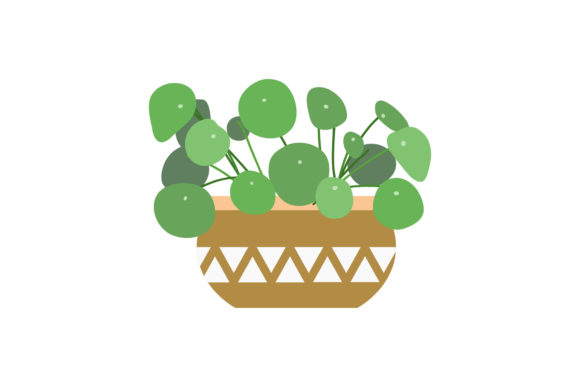
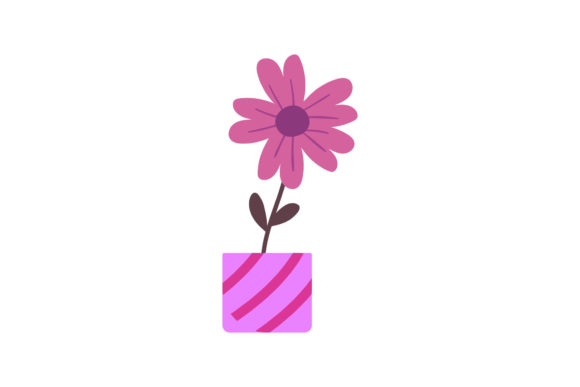
The Flowers Pot Beauty Houseplant design has a warm, inviting feel that screams “homegrown elegance.” It combines classic elements of plant illustrations—curved leaves, delicate flowers—with a modern touch in its color palette and composition. The overall mood is cozy yet sophisticated, making it perfect for products aimed at buyers who appreciate nature-inspired decor and lifestyle items.
This kind of design typically appeals to a feminine audience but doesn’t exclude anyone. Its gentle curves and soft colors suggest a style that leans towards elegant, decorative, and premium aesthetics. If your Etsy shop or craft fair offerings focus on home décor, self-care, or botanical-themed prints, this illustration could be a great fit for your brand identity.
Real-World Crafting Applications
I’ve tested Flowers Pot Beauty Houseplant in several project types, and here’s where it shines:
- Cricut Projects: The clean SVG lines make it ideal for cutting onto felt, cardstock, and vinyl. It works especially well for layered Cricut crafts like wall art or greeting cards.
- Silhouette Projects: Just like with Cricut, the Silhouette file opens smoothly and maintains detail even when resized moderately.
- Sticker Design: On matte or glossy vinyl, the design holds up beautifully. For small stickers, though, I recommend simplifying the layout slightly to avoid overcomplicating the cut.
- T-Shirt Designs: The PNG version looks fantastic when heat pressed onto cotton blends. The transparency allows for easy layering with text or other graphics.
- Mug and Tumbler Wraps: Whether using sublimation ink or vinyl wraps, the illustration scales well and retains clarity. It’s a go-to for spring or summer collections.
- Printable Wall Art: The PNG layers are crisp and clear, making it suitable for print-on-demand services or personal home décor prints.
- Handmade Packaging: Adding this design as a decorative accent on gift boxes or wrapping paper gives a fresh, premium finish to any handmade product.
- Planner Pages & Scrapbooking: As a border element or standalone illustration, it brings life to bullet journals and scrapbook layouts without overwhelming them.
Best Use Cases for Handmade Businesses
If you're building a collection of seasonal craft bundles or designing a line of personalized gifts, this illustration can become a staple. Here are some specific scenarios where it performs best:
- Large Cut Files: The intricate details come alive when printed or cut at larger sizes. Think about using it as a background element for large canvas prints or fabric banners.
- Clean Printable Layouts: The PNG format offers excellent transparency, so it integrates seamlessly into minimalist designs or paired with bold typography.
- Gift Product Accents: Add it to thank-you cards, gift tags, or hand-stamped envelopes to give your handmade goods that extra bit of charm.
- Product Mockups: I often use it in mockup templates for Instagram or product listings to showcase how it would look on actual items before customers buy.
- Commercial Branding: With the right commercial license, it can be used to build cohesive branding for your handmade business—think logos, packaging, or website headers.
Technical Considerations for Real Crafting
While the Flowers Pot Beauty Houseplant is visually appealing, there are a few technical aspects to consider before incorporating it into your production:
- Check SVG Lines: Make sure all paths are closed and properly grouped. Sometimes imported files have stray anchor points or open shapes that can mess up your cut.
- Test Colors Before Printing: Especially if you're working with sublimation or dye-based printing, preview the design on both light and dark backgrounds to ensure vibrancy and contrast.
- Confirm Commercial Licensing: Always double-check the terms of use before applying the design to products you’re selling. Some assets require attribution or have restrictions on mass production.
- Resize Carefully: Though it’s a vector file, resizing too much can affect the visual balance. I usually scale it between 30% to 150% depending on the item size.
- Use Proper Fonts: Pair it with serif fonts for a classic vibe, sans-serif for modern minimalism, or script/handwritten fonts for a more personal, artisan feel.
Where to Use It with Caution
Not every design works perfectly in every context. Here are a few areas where I’d advise careful consideration when using Flowers Pot Beauty Houseplant:
- Very Small Cutting Details: The fine linework might struggle on tiny vinyl stickers or detailed laser-cutting jobs. Simplify or outline key features if needed.
- Thin Lines and Crowded Compositions: While beautiful, the design has many subtle elements. Avoid placing it in overly crowded layouts where it might lose impact.
- Low-Contrast Color Schemes: The pastel tones look great on neutral or white products, but may not stand out enough on darker or patterned surfaces.
- Layered Vinyl Projects: If you plan to layer multiple SVGs or add text over it, keep in mind that the design has depth. You may need to adjust the hierarchy or simplify parts of it.
- Small Sticker Sizes: Unless you’re targeting a very niche market, I wouldn’t use it on stickers smaller than 3 inches. The details won’t translate well.
Workflow Tips for Using Flowers Pot Beauty Houseplant
Here’s how I integrate this graphic design asset into my workflow:
- Test It First: Before producing a batch of custom mugs or shirts, I always do a test print or cut. This helps identify any potential issues with alignment or color accuracy.
- Preview PNG Transparency: Open the PNG file in a transparent background to see how it’ll look when layered or overlaid on different materials.
- Resize for Each Product: I adjust the design based on the item it’s going on. For example, I’ll shrink it for tote bags and expand it for tumbler wraps.
- Use It in Design Bundles: Combine it with other botanical illustrations to create themed digital product packs for resale or creative marketplace listings. Pair with Text Elements: The design pairs well with handwritten-style fonts or elegant serif typefaces. I often use it in combination with short quotes like “Bloom Where You Are Planted” or “Home is Where the Plants Grow.”
Why This Illustration Works for Creative Entrepreneurs
For those running a handmade business, having access to a quality graphic design asset like Flowers Pot Beauty Houseplant is invaluable. It adds a professional touch to your products while keeping your creative process smooth and efficient. Whether you’re creating for a craft fair, launching a new printable design, or expanding your small business branding, this illustration has the flexibility to adapt to various styles and formats.
It also stands out in commercial design because it feels authentic and not overly stylized. Customers gravitate toward designs that evoke warmth and familiarity—qualities this illustration naturally possesses.
Final Thoughts for Your Handmade Shop
Incorporating the Flowers Pot Beauty Houseplant into your next project can help you quickly develop a cohesive, nature-inspired theme. It’s a solid choice for Etsy product listings, product mockups, and even sublimation design projects. But remember, the key to successful handmade product creation lies in testing, adjusting, and knowing your audience.
If you're looking for an illustration that brings a touch of botanical beauty to your graphics and supports a wide range of applications, this one deserves a spot in your design toolkit. Just make sure to check the technical specs and licensing requirements first—because nothing undermines a great design like a legal hiccup after launch.