About Flowers Card Nature Embroidery Review
As a designer who spends more time looking at stitch density and thread tension than I do checking social media, I approach every new digital asset with a mix of curiosity and skepticism. When I first pulled up the About Flowers Card Nature design file, my immediate reaction wasn’t about the technical specs, but about the mood. It feels like a quiet morning in a garden—soft, intentional, and undeniably elegant. But does it hold up when the needle starts moving? That is the real question for any embroiderer, whether you are stitching a single personalized gift or preparing inventory for your Etsy shop.
This review breaks down how this Illustrations and Graphics category piece translates from screen to fabric. We will look at its practical application for custom apparel, home decor, and small business merchandise, while highlighting where it shines and where it might need a little extra care on the hoop.
First Impressions: Mood and Visual Personality
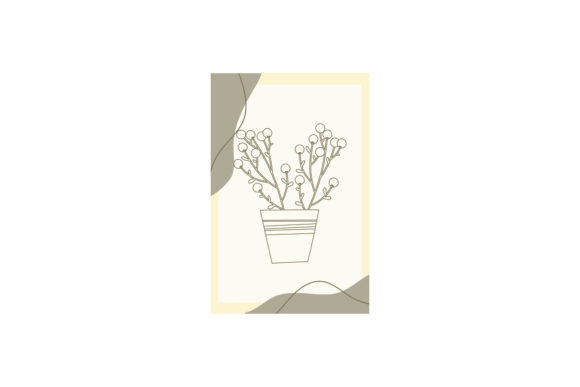
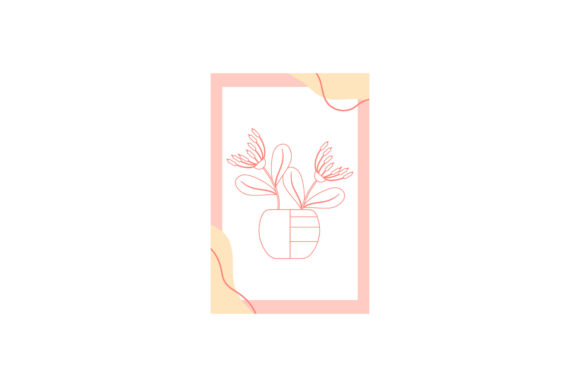
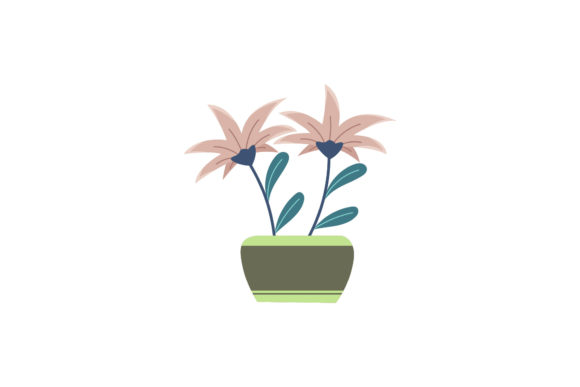
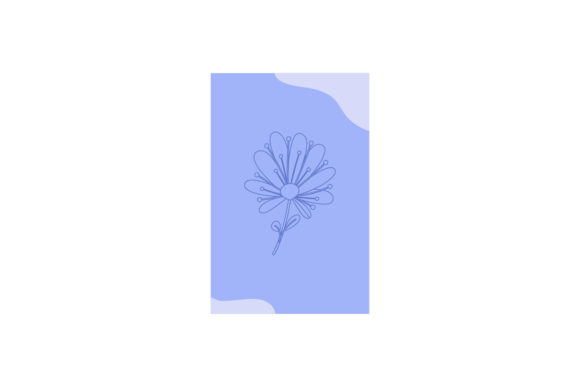
The About Flowers Card Nature design carries a distinct botanical elegance. It isn’t shouting for attention; instead, it invites the viewer in. The layout suggests a card-like structure, which naturally lends itself to framed pieces, tote bags, and greeting cards. Visually, it strikes a balance between detailed floral elements and clean negative space. This is crucial for embroidery because too much detail can turn into a muddy mess if the stitch resolution isn't perfect.
For designers, the "card" aspect implies a focal point. In an embroidery context, this works beautifully for center-chest placements on sweatshirts or centered designs on tote bags. It feels professional yet approachable, making it a strong candidate for boutique branding or handmade product lines that aim for a "slow living" aesthetic. The visual personality is calm, organic, and timeless, avoiding trends that might feel dated in six months.
Real-World Application: Where Does It Fit?
I have tested similar assets across various mediums, and About Flowers Card Nature shows remarkable versatility. Here is how it performs in specific, high-demand categories:
- Tote Bags and Canvas Goods: This is perhaps the strongest use case. The design’s balanced composition sits perfectly on standard canvas totes. When stitched with high-quality cotton threads, it elevates a simple $5 bag into a $25 boutique item. The floral theme resonates strongly with customers looking for everyday carry items that reflect personal style.
- Custom Apparel and Sweatshirts: For knit fabrics, this design offers a gentle contrast. It works well as a left-chest logo or a larger back print. On heavyweight cotton hoodies, the nature theme adds a cozy, rustic touch. However, on stretchy jersey t-shirts, caution is needed (more on that below).
- Baby and Nursery Items: The softness of the motif makes it ideal for baby bodysuits, muslin swaddles, and nursery wall hangings. Parents often seek out embroidery that feels soothing rather than loud. This design delivers that warmth, making it a smart choice for personalized gifts for baby showers.
- Home Decor and Kitchen Textiles: Tea towels, aprons, and pillow covers are natural homes for botanical graphics. The "card" framing allows it to function almost like a piece of art within the home. Imagine this embroidered on a linen tea towel hanging in a modern farmhouse kitchen—it fits right in.
- Digital Product Assets: If you are a digital seller, this graphic serves as excellent base art for printable mockups. Even before it is digitized for machine embroidery, it has strong value as a vector asset for stickers, posters, and stationery sets.
Technical Considerations and Stitch Clarity
When evaluating a machine embroidery design, I always think about the stitches themselves. While the source file is provided in AI and SVG formats, the final result depends entirely on how it is digitized. Assuming a competent digitization process, here is what to expect regarding stitch types and density.
The design likely utilizes a mix of satin stitch for outlines and leaf veins, paired with fill stitch for broader petal areas. The key to success here is ensuring the stitch density is appropriate for the fabric. If the fill is too dense, the fabric will pucker; if it is too sparse, the backing material will show through. For best results, test the design on scrap fabric to confirm that the thread colors provide enough contrast against your chosen background.
Additionally, pay attention to the running stitch details. Fine lines in floral designs can sometimes break or look jagged if the hooping tension is off. A stable hoop size that matches the design dimensions is essential to prevent shifting during the run.
Where to Use With Caution
No design is universal, and About Flowers Card Nature has specific limitations based on its delicate nature. Avoid using this on the following surfaces without rigorous testing:
- Small Hoop Sizes: If the design contains fine details, shrinking it down to a 4x4 hoop may cause those details to blur together. Ensure the minimum recommended hoop size is respected to maintain clarity.
- Textured or Thick Fabrics: Denim, corduroy, or heavily textured weaves can obscure the subtleties of a botanical line drawing. The design relies on clean lines, which get lost on rough textures.
- Stretchy or Thin Fabrics: Singlet tops or thin rayon blends require heavy stabilizer support. Without it, the design may distort, causing the "card" shape to warp.
- Curved Surfaces: While caps are popular, applying a flat, card-style graphic to a curved brim or crown can be challenging. It may require specialized cap hoops and careful positioning to avoid distortion.
- Dense Stitch Areas: If the digitized version includes large blocks of solid color, ensure the fabric can handle the weight. On lightweight materials, this can lead to stiffness that reduces comfort.
Impact on Brand Value and Customer Trust
In the world of craft business and Etsy sellers, presentation is everything. A well-executed embroidered patch or custom apparel item signals professionalism. Using a cohesive, aesthetically pleasing design like About Flowers Card Nature helps build brand consistency. When customers see a unified style across your tote bags, stickers, and clothing, they perceive your shop as established and trustworthy.
Furthermore, the "giftability" of this design is high. It is neutral enough for general audiences but distinctive enough to feel special. This increases engagement and conversion rates, as buyers are more likely to purchase a finished product that looks polished and thoughtfully designed. It enhances the perceived value of your handmade product, allowing you to command higher prices based on quality and aesthetic appeal.
Practical Designer Notes Before You Start
Before committing to a full production run, follow these steps to ensure success:
- Test on Scrap Fabric: Always stitch a sample on the exact fabric you plan to use. Check for puckering, thread breaks, and color accuracy.
- Check Black and White Mockups: View the design in grayscale to ensure there is sufficient contrast between different elements. This helps verify that details won't get lost.
- Confirm Licensing: Since this is sold as a digital asset, verify the license terms carefully. Determine if you are allowed to sell finished physical products or if usage is restricted to personal projects only. This is critical for commercial embroidery businesses.
- Use Proper Stabilizer: Match your stabilizer to the fabric weight. Tear-away for wovens, cut-away for knits. This prevents distortion and ensures the finished product holds its shape after washing.
- Inspect Small Details: Zoom in on the digital file to identify any tiny elements that might be difficult to stitch clearly. Adjust thread colors or simplify if necessary.
Ultimately, About Flowers Card Nature is a versatile, high-quality addition to any designer’s library. It bridges the gap between digital illustration and tactile craft, offering endless possibilities for personalized gifts and small shop products. By respecting its technical requirements and leveraging its aesthetic strengths, you can create stunning embroidery projects that resonate with customers and stand the test of time.